TEXAS PROPERTY INSURANCE CLAIM HELP
Your insurance company says the damage is from wear and tear. You believe a storm caused it. What happens next?
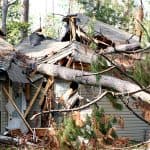
You discover damage to your roof after a severe Texas storm. You file a homeowners insurance claim, expecting the insurance company to investigate the damage and determine what your policy covers.
Instead, you receive a denial letter stating that the damage resulted from wear and tear, deterioration, aging, or lack of maintenance.
Now you are left wondering why the insurance company rejected your claim when you believe the damage occurred during a recent storm.
For homeowners throughout Houston, Deer Park, Pasadena, League City, and surrounding communities, disagreements about the cause of property damage can make an already stressful situation more complicated.
However, an insurance company’s determination that damage resulted from wear and tear is not necessarily the final word. The explanation should be evaluated against the insurance policy, available documentation, and the actual circumstances of the loss.
This guide explains what wear and tear means in a property insurance claim, how it differs from sudden storm damage, what evidence may be useful, and what Texas homeowners can do when they disagree with an insurer’s decision.
Quick Answer: What If Your Insurance Claim Is Denied for Wear and Tear?
If your Texas property insurance claim was denied for wear and tear, review the denial letter and policy language to understand the insurer’s reasoning. Gather photographs, maintenance records, weather information, and qualified inspection findings that may help establish the cause of damage. You can request reconsideration with supporting evidence and explore professional assistance if the disagreement remains unresolved.
What Does Wear and Tear Mean in a Property Insurance Claim?
In property insurance, wear and tear generally describes deterioration that develops through normal use, aging, or gradual exposure over time.
Property insurance policies commonly contain exclusions or limitations relating to ordinary wear, deterioration, or maintenance-related conditions. The exact wording and application vary by policy.
Common Examples of Wear and Tear
- Roof shingles that gradually become brittle or deteriorate with age.
- Sealants or flashing that deteriorate over time.
- Rust or corrosion developing gradually on building components.
- Plumbing materials that weaken through long-term deterioration.
- Progressive moisture damage from an ongoing leak.
- Materials that deteriorate because of prolonged exposure or deferred maintenance.
These conditions differ from damage that may result from a specific, sudden event, such as wind removing roof shingles or hail striking roofing materials.
Why Do Insurance Policies Exclude Wear and Tear?
Property insurance is generally designed to provide protection against certain covered losses rather than pay for routine maintenance or the normal replacement of aging materials.
However, identifying an older or deteriorated component does not automatically establish that every part of the claimed damage resulted from wear and tear.
The relevant questions are what caused the particular damage, what the policy covers or excludes, and whether the available evidence supports the insurer’s determination.
Storm Damage vs. Wear and Tear: What’s the Difference?
One of the most important issues in a disputed property insurance claim is determining whether the damage resulted from a covered event, gradual deterioration, or a combination of causes.
Houston-area properties can experience strong winds, hail, heavy rainfall, and tropical weather. These events may damage roofing systems and other building components, including materials that already show signs of aging.
What May Indicate Sudden Storm Damage?
Depending on the circumstances, relevant evidence may include:
- Damage discovered immediately after a documented storm.
- Changes in roof or exterior conditions compared with earlier photographs.
- Damage patterns consistent with wind or hail impact.
- Inspection findings identifying potentially storm-related damage.
- Weather reports supporting the occurrence of a relevant event near the property.
Weather records alone do not prove that a specific building sustained covered damage. They are one piece of the overall evidence.
What May Indicate Gradual Deterioration?
- Long-term material breakdown.
- Previously documented leaks or deterioration.
- Progressive corrosion or cracking.
- Damage patterns more consistent with age than a particular event.
- Conditions that existed before the reported loss.
Can Storm Damage and Wear and Tear Exist Together?
Yes. A roof may have existing age-related deterioration and also sustain damage during a later storm.
The presence of pre-existing wear does not, by itself, establish whether separate storm-related damage is covered. Likewise, the occurrence of a storm does not establish that every damaged component was affected by that event.
Coverage may also depend on policy provisions addressing multiple contributing causes.
| Issue | Potential Storm Damage | Potential Wear and Tear |
|---|---|---|
| Timing | Associated with a particular event | Typically develops gradually |
| Potential cause | Wind, hail, or another event | Age, ordinary use, or deterioration |
| Useful evidence | Event records, photographs, qualified inspections | Maintenance history, prior condition, material findings |
| Coverage | Depends on policy and circumstances | Commonly excluded, subject to policy terms |
Learn more about how property damage is evaluated in our guide to
storm damage insurance claims in Houston.
Can an Insurance Company Deny a Roof Claim Because the Roof Is Old?
Roof age can be an important factor in evaluating a property insurance claim. However, the age of a roof does not automatically determine the cause of every damaged component.
An older roof may have deteriorated materials, previous repairs, and other conditions that affect the insurer’s evaluation. It may also sustain damage during a covered weather event.
Does Roof Age Automatically Eliminate Coverage?
Not necessarily. Coverage depends on the policy’s terms, exclusions, endorsements, and the cause of the claimed damage.
Some policies also contain roof-specific provisions affecting how covered losses are valued or paid. These may include different settlement terms for older roofing materials.
What If a Storm Damaged an Already Aging Roof?
The important question becomes whether the reported storm caused identifiable damage and how the policy addresses that damage.
A qualified inspection, photographs of the property’s prior condition, and relevant weather information may help clarify the circumstances.
If your claim involves roofing materials, review our
Texas roof damage insurance claim guide.
For hail-specific disputes, see
what to do when a hail damage insurance claim is denied or underpaid in Texas.
Why Do Insurance Companies Deny Claims for Wear and Tear or Poor Maintenance?
Insurance companies may cite several different reasons when determining that reported property damage is not covered.
1. The Damage Appears to Have Developed Over Time
The insurer may conclude that the condition resulted from gradual deterioration rather than a specific covered event. This can occur with roofing materials, plumbing components, and other building systems.
2. The Insurer Attributes the Damage to a Pre-Existing Condition
An insurer may believe that the damage existed before the reported date of loss. Previous inspection records, photographs, repair documentation, and other evidence may be relevant to this determination.
3. The Insurer Says Poor Maintenance Caused the Damage
The insurance company may identify unresolved leaks, deteriorating materials, or maintenance-related conditions as contributing factors. The policy’s specific exclusions and the facts of the loss are important.
4. The Insurer Disputes the Cause of Loss
The homeowner and insurer may disagree about whether a storm, an existing condition, or another cause produced the reported damage.
5. The Policy Contains a Relevant Exclusion or Limitation
Even when the parties agree about the physical condition of the property, they may disagree about how the insurance policy applies.
Important distinction: A disagreement about what caused the damage is different from a disagreement about how the policy covers that cause. Both issues may require careful review.
What Should You Do If Your Insurance Claim Is Denied for Wear and Tear?
If you disagree with the insurance company’s explanation, the following steps can help you organize the information needed to evaluate the claim.
Step 1: Review the Written Denial
Begin by reading the insurer’s explanation carefully. Identify the specific damage being denied and the policy provisions cited.
If the explanation is unclear, ask the insurer to clarify which conditions it attributes to wear and tear and what findings support that conclusion.
Step 2: Review the Relevant Insurance Policy
Examine the provisions identified in the denial letter, including applicable exclusions, limitations, endorsements, and duties after loss.
Policy interpretation can be complicated. If the disagreement concerns legal coverage questions, consider obtaining guidance from a qualified Texas attorney.
Step 3: Document the Property’s Condition
Gather photographs, videos, inspection findings, repair estimates, and records showing the property’s condition before and after the reported event.
Avoid unsafe inspections or disturbing evidence unnecessarily. Take reasonable steps to protect the property from further damage in accordance with your policy obligations.
Step 4: Gather Information About the Reported Event
If you believe a storm caused the damage, collect relevant weather records, photographs, and other information documenting the event.
Remember that evidence of severe weather in the area does not automatically prove that a particular component was damaged by that event.
Step 5: Consider a Qualified Independent Inspection
Depending on the nature of the dispute, a qualified roofing professional, engineer, or other appropriate specialist may help evaluate damage patterns and possible causes.
A useful report should explain its findings and supporting observations rather than merely stating that the insurer’s conclusion is wrong.
Step 6: Request Reconsideration With Supporting Evidence
If additional evidence supports a different conclusion, submit a focused request for reconsideration.
Identify the disputed findings, explain the supporting documentation, and keep records of everything submitted.
Step 7: Explore Appropriate Professional Assistance
A licensed public adjuster may help evaluate claim documentation and represent your interests during the insurance claim process.
An attorney may be appropriate when the disagreement involves legal rights, policy interpretation, or other legal disputes.
Learn more about
documenting a property insurance claim
and
what Houston homeowners should do after an insurance claim denial.
What Evidence Can Help Challenge a Wear-and-Tear Insurance Denial?
Evidence is most useful when it addresses the specific reason the insurer denied the claim.
For example, if the insurer says roof damage existed before a storm, documentation showing the roof’s earlier condition may be particularly relevant.
Wear-and-Tear Denial Documentation Checklist
Property Documentation
- Insurance company’s written denial
- Relevant insurance policy and endorsements
- Original claim estimate and inspection findings
- Photographs and videos of the disputed damage
- Repair estimates and supporting measurements
Maintenance and Property History
- Previous property inspection reports
- Maintenance records
- Prior repair invoices
- Earlier photographs showing property condition
- Records of previously reported leaks or damage
Weather and Event Information
- Relevant local weather reports
- Reported date and circumstances of the loss
- Photographs taken shortly after the event
- Qualified inspection findings concerning possible causes
Communication Records
- Emails and letters exchanged with the insurer
- Dates of inspections and claim communications
- Copies of submitted documentation
- Written responses to disputed findings
The purpose of gathering documentation is not simply to accumulate paperwork. It is to develop a clear record of the property’s condition, the reported event, and the basis for the disputed claim.
Can You Dispute a Wear-and-Tear Insurance Denial in Texas?
Texas property owners may have options for challenging an insurer’s determination. The appropriate approach depends on the policy, the nature of the disagreement, the available evidence, and applicable requirements.
Request Reconsideration
When new or clarified information is available, you may ask the insurance company to review the disputed findings again.
A focused response should identify the reason for disagreement and provide evidence relevant to that issue.
Request Another Inspection
An additional inspection may be appropriate when significant evidence was not considered or when qualified professionals disagree about the cause or extent of damage.
Consider Whether Appraisal Applies
Some property insurance policies contain appraisal provisions for disputes about the amount of loss.
A disagreement over whether damage is covered may present different issues from a disagreement about repair costs. The availability and scope of appraisal depend on the policy and applicable law.
Learn about
insurance appraisal services in Houston.
Contact the Texas Department of Insurance
The Texas Department of Insurance provides consumer information and accepts insurance complaints.
Filing a complaint does not guarantee that an insurer will reverse a denial or issue additional payment.
Official resource:
Texas Department of Insurance — Insurance Complaints.
Consult a Texas Insurance Attorney When Appropriate
Disputes involving policy interpretation, legal rights, or alleged improper claim handling may require legal guidance.
Public adjusters assist with insurance claims but do not provide legal representation or legal advice.
For related assistance, visit our
Houston insurance dispute resolution page.
How Can a Public Adjuster Help With a Wear-and-Tear Denial?
When an insurance company attributes property damage to deterioration or lack of maintenance, a homeowner may need help understanding the claim documentation and the insurer’s position.
A licensed public adjuster represents the policyholder in the insurance claim process rather than working for the insurance company.
Depending on the circumstances, a public adjuster may assist by:
- Reviewing the insurer’s denial explanation and claim estimate.
- Evaluating available property damage documentation.
- Identifying differences between inspection findings.
- Helping organize supporting photographs, estimates, and records.
- Communicating with the insurance company on the policyholder’s behalf.
- Helping the property owner understand claim-related options.
- Recognizing when additional technical or legal assistance may be appropriate.
Why Houston-Area Property Owners Work With Santex
Based in Deer Park, Texas, Santex Public Adjusters serves residential and commercial property owners throughout the Greater Houston area.
Santex’s brand emphasizes extensive construction and insurance repair experience, policyholder advocacy, and practical guidance through complicated property claims.
Our role is to represent the interests of the policyholder—not the insurance company.
We believe property owners deserve clear explanations, careful documentation, and informed representation when navigating disputed insurance claims.
We Listen. We Plan. You Recover.
Learn more about our
Houston public adjuster services
and
denied home insurance claim assistance.
Professional claim assistance does not guarantee that an insurer will change its coverage determination or approve additional payment.
How Can Homeowners Reduce Future Wear-and-Tear Coverage Disputes?
No maintenance program can guarantee insurance coverage or prevent every claim disagreement. However, organized property records may make it easier to establish the condition of your home before and after a loss.
- Schedule appropriate inspections of major property components.
- Keep maintenance and repair invoices.
- Take dated photographs of your roof and other important building areas.
- Address known leaks and deterioration promptly.
- Review your policy’s exclusions and endorsements.
- Document damage discovered after severe weather.
- Report losses and complete required duties within applicable timeframes.
- Keep copies of all communications with your insurance company.
These practices can help preserve information that may become important if a future claim involves a disagreement about the cause of damage.
Frequently Asked Questions About Wear-and-Tear Insurance Denials
Can homeowners insurance deny a roof claim because of wear and tear?
Yes. An insurer may deny damage it determines resulted from excluded wear and tear. However, the decision should be evaluated under the actual policy and the facts of the loss. An aging roof may also sustain damage from a separate event, and the cause of the particular damage matters.
What if my insurance company says my roof damage is old?
Review the insurer’s explanation and the policy provisions cited. Gather photographs, prior inspection records, maintenance information, and qualified findings that may help establish the property’s condition and the cause of damage. You may request reconsideration if supporting evidence warrants another review.
Does homeowners insurance cover storm damage to an old roof?
It may, depending on the policy, the cause of damage, and applicable exclusions or endorsements. Roof age can affect the evaluation and settlement terms, but it does not automatically determine whether a particular storm-related loss is covered.
How do I dispute an insurance claim denied for wear and tear?
Start by reviewing the denial and policy language. Gather relevant photographs, maintenance records, weather information, and qualified inspection findings. Submit a focused request for reconsideration when appropriate. Depending on the dispute, professional claim assistance or legal guidance may also be useful.
Can an insurance company blame damage on poor maintenance?
An insurer may rely on maintenance-related exclusions when supported by the policy and claim findings. Whether the exclusion applies depends on the actual cause of damage, the relevant policy provisions, and the available evidence.
What evidence helps distinguish hail damage from normal aging?
Relevant evidence may include photographs, inspection findings, material condition, maintenance history, and weather records. A qualified professional may help assess whether observed damage is consistent with hail impact, gradual deterioration, or another cause.
Can a public adjuster help with a wear-and-tear denial?
Yes. A licensed public adjuster may review claim documentation, evaluate disputed damage findings, and represent the policyholder during the insurance claim process. The services appropriate for a particular claim depend on its circumstances.
Get Help Reviewing a Wear-and-Tear Insurance Claim Denial in Houston
Receiving an insurance claim denial can be frustrating, especially when you believe a storm or another event caused the damage.
The most important next step is understanding why the insurer denied the claim, reviewing the relevant policy language, and determining whether the available evidence supports a different conclusion.
Santex Public Adjusters helps Greater Houston property owners navigate disputed insurance claims and understand potential options for moving forward.
If your insurance company has attributed damage to wear and tear, deterioration, or poor maintenance, Santex can help you evaluate whether professional claim assistance is appropriate.
Important: This article provides general educational information and is not legal advice or a determination of insurance coverage. Insurance claim outcomes depend on policy terms, the circumstances of the loss, supporting evidence, and applicable law. Consult qualified professionals regarding your specific situation.