
Insurance Appraisal Services • Deer Park, Texas
Independent Insurance Appraisal Service for Property Damage in Deer Park, TX
When you and your insurance company disagree about the value of covered property damage, the appraisal provision in your policy may provide a structured way to resolve the amount-of-loss dispute. Santex Public Adjusters helps Deer Park property owners prepare detailed, construction-based damage documentation and valuations so they can approach the appraisal process from an informed position.
What Is an Insurance Appraisal?
Insurance appraisal is a policy-based process generally used when the policyholder and insurance company disagree about the amount of a property loss. When the policy permits appraisal and the provision is properly invoked, each side typically selects an appraiser. If the appraisers cannot agree, an umpire may become involved according to the policy terms.
Appraisal generally addresses how much the covered damage is worth. Questions involving whether damage is covered, policy interpretation, or other legal disputes may fall outside the appraisal process. Your specific insurance policy controls the available rights, procedures, and deadlines.
Key Takeaways for Deer Park Property Owners
- Appraisal may be available when you and your insurer disagree about the amount of loss or cost of covered repairs.
- The right to appraisal, the deadlines, and the procedure depend on the language in your individual insurance policy.
- A strong appraisal position starts with a detailed damage scope, supporting photographs, repair information, estimates, and an accurate loss evaluation.
- Santex Public Adjusters represents the interests of policyholders, not the insurance company.
- Experience with construction and insurance repairs can be valuable when repair scope, materials, quantities, or pricing are disputed.
When Should You Consider an Insurance Appraisal?
You may want to review the appraisal provision in your policy when the insurer acknowledges a covered loss but you disagree substantially about the amount required to repair or replace the damaged property. This frequently occurs when the parties disagree about the repair scope, quantities, materials, labor, pricing, or the extent of physical damage.
Common signs that a valuation dispute may be developing
- The insurer’s repair estimate leaves out damage you believe was caused by the covered event.
- Contractor pricing is materially higher than the carrier’s estimate.
- The parties disagree about repair versus replacement of damaged components.
- Necessary labor, materials, access, code-related work, or related repair items appear to be missing from the scope.
- Negotiations have stalled primarily because the parties cannot agree on the value of the loss.
- A storm, fire, water event, or other covered loss caused damage that is more extensive than the insurer’s initial evaluation reflects.
If the underlying issue is an underpaid insurance claim, a careful review of the scope and documentation can help identify where the competing valuations differ.
How Does the Insurance Appraisal Process Work?
The exact procedure depends on your policy, but an appraisal provision commonly establishes a process similar to the following:
1. Review the appraisal provision
Start by reviewing the policy language to determine whether appraisal is available, what disputes it covers, how it must be requested, and what deadlines apply.
2. Make or receive a written appraisal demand
When appraisal is invoked, the policy typically describes how notice must be provided and the time allowed for each party to act.
3. Each side selects an appraiser
The policy normally calls for each party to select an appraiser who meets the qualifications established by the contract.
4. The damage and amount of loss are evaluated
The appraisers review the scope of damage, repair requirements, supporting estimates, photographs, measurements, pricing information, and other evidence relevant to valuation.
5. An umpire may be used if the appraisers disagree
If the appraisers cannot agree, the policy may provide for submission of disputed valuation issues to an umpire. The requirements for reaching an appraisal award are governed by the applicable policy language.
Why Damage Documentation Matters in Appraisal
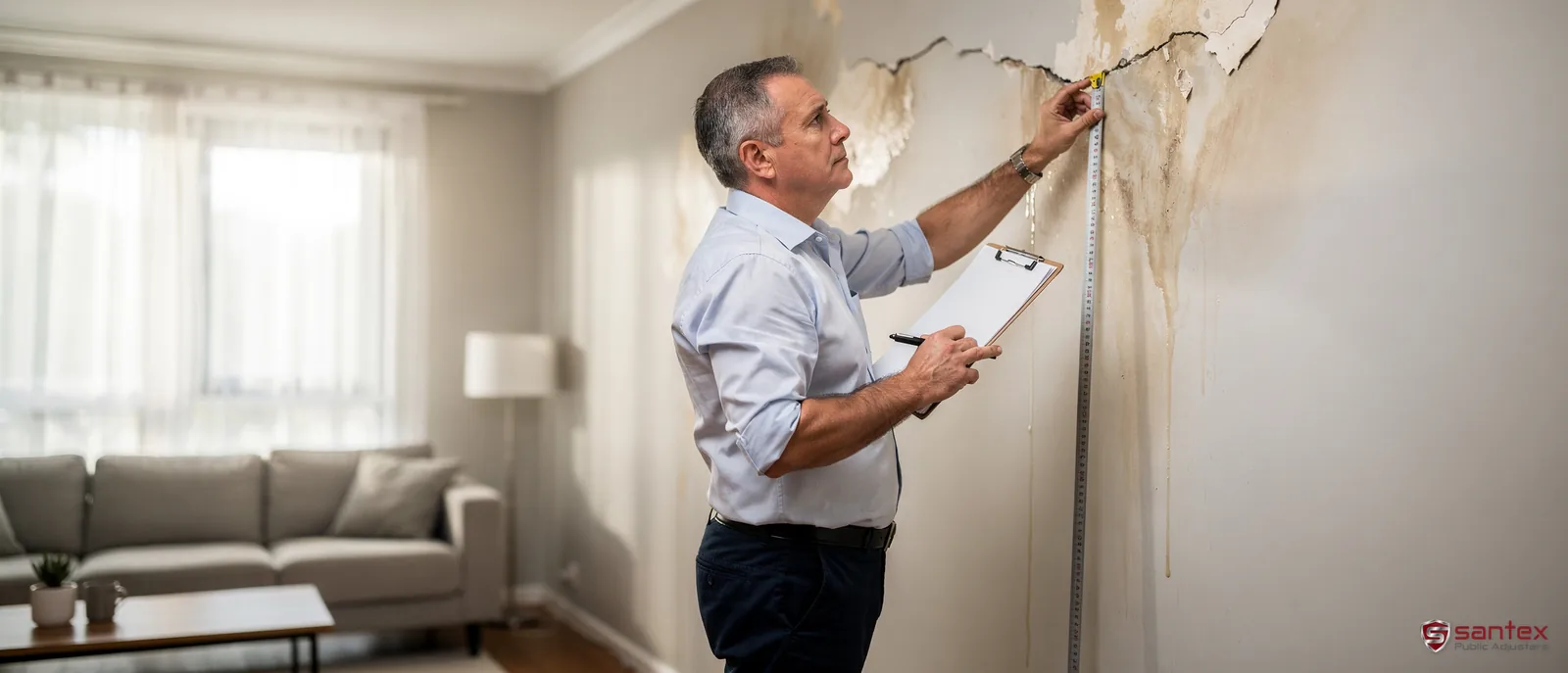
An appraisal is only as strong as the valuation evidence supporting it. A detailed property damage assessment helps establish what was damaged, what work is reasonably required, and how the repair scope connects to the claimed amount of loss.
Useful documentation may include:
- Photographs and video of damaged areas
- Measurements and quantities
- Room-by-room or system-by-system damage scopes
- Contractor estimates and repair recommendations
- Material specifications and replacement requirements
- Carrier estimates and claim correspondence
- Receipts, invoices, and emergency repair records when applicable
- A documented insurance loss evaluation supporting the claimed repair amount

Why Going Into Appraisal Unprepared Can Put a Policyholder at a Disadvantage
Insurance companies handle property claims and valuation disputes every day. A homeowner or business owner may encounter appraisal only once. That experience gap makes preparation especially important.
An insurer’s estimate may be supported by estimating software, adjuster notes, photographs, engineering opinions, contractor information, or other documentation. A policyholder should be prepared to support a competing valuation with equally organized evidence rather than relying only on the belief that the insurer’s number is too low.
Santex brings more than 50 years of construction and insurance-repair experience to the claim evaluation process. That background helps the team evaluate whether the scope of work reflects the realities of repairing damaged property and identify valuation issues that deserve closer review.
How Santex Helps With a Disputed Property Claim
Santex Public Adjusters advocates for property owners—not insurance carriers. When a claim becomes difficult, the goal is to help you understand the loss, document it clearly, and present a well-supported position based on the damage and the applicable policy.
- Review existing estimates and claim documentation
- Identify possible gaps in the carrier’s damage scope
- Develop organized documentation supporting the property loss
- Evaluate construction scope, repair requirements, and valuation issues
- Help policyholders understand the claim and appraisal process
- Provide policyholder-focused claims representation in Deer Park
Is Appraisal the Same as an Insurance Coverage Dispute?
No. Appraisal is generally focused on the amount of loss, while a coverage dispute concerns whether the policy provides coverage for some or all of the claimed damage. The distinction matters because an appraisal panel generally does not replace the policy’s coverage provisions or resolve every disagreement between a policyholder and insurer.
When the disagreement involves more than valuation, review the broader insurance dispute resolution process in Deer Park and determine which claim issue needs to be addressed first.
What Types of Property Damage Can Lead to Appraisal Disputes?
Valuation disagreements can arise after many types of covered property losses. The important question is not simply the cause of damage, but whether the policy covers the loss and whether the parties disagree about its value.
- Wind and storm damage
- Hail and roof damage
- Hurricane-related property damage
- Fire and smoke damage
- Water damage
- Damage to residential property
- Damage to commercial buildings and business property
Insurance Appraisal Help From a Deer Park-Based Public Adjuster
Santex Public Adjusters is based in Deer Park and serves property owners throughout the Greater Houston area. Local familiarity matters because Gulf Coast property claims frequently involve wind, hail, hurricane, water, fire, and complex repair issues that require careful documentation.
Property owners who need broader claim assistance can also review Santex’s public adjuster services in Deer Park or learn more about insurance claims assistance in Deer Park.
Disagree With Your Insurance Company’s Damage Valuation?
Before moving forward with appraisal, make sure you understand what your policy requires and whether your damage documentation supports the amount you believe is necessary to repair the property. Santex can review your claim and help you identify the next practical step.
Frequently Asked Questions About Insurance Appraisal in Deer Park, TX
When can a property owner request an insurance appraisal?
A property owner may be able to request appraisal when the insurance policy contains an appraisal provision and a dispute develops over the amount of a covered property loss. The policy itself controls when appraisal can be invoked, how notice must be given, and what deadlines or procedures apply.
What does an insurance appraisal decide?
Insurance appraisal generally addresses the amount of loss—the value or cost associated with covered property damage. It does not necessarily decide whether the policy covers the loss, interpret every policy provision, or resolve all legal disputes between a policyholder and an insurance company.
How does the insurance appraisal process start?
The process typically begins when one party invokes the appraisal provision according to the policy’s requirements. Each party usually selects an appraiser within the time allowed by the policy. The appraisers evaluate the disputed loss, and an umpire may become involved if they cannot agree.
What documents should I prepare for an insurance appraisal?
Helpful records can include photographs, videos, contractor estimates, measurements, repair scopes, invoices, receipts, carrier estimates, correspondence, and other documentation supporting the extent and value of the property damage. The specific evidence needed depends on the loss and the disputed valuation.
Is an appraisal appropriate for an underpaid insurance claim?
It can be when the primary disagreement concerns the amount of a covered loss. If the dispute is instead about coverage, exclusions, policy interpretation, or another issue, appraisal may not resolve the entire disagreement. Reviewing the policy and the reason for the underpayment is an important first step.
Does Santex represent the insurance company?
No. Santex Public Adjusters represents policyholders. Its role is to help property owners document, evaluate, and present their insurance claims rather than adjusting claims on behalf of an insurance carrier.
Why is construction experience important in a property appraisal dispute?
Property valuation depends on understanding what work is actually required to repair damaged buildings. Construction experience can help identify missing repair items, realistic labor and material requirements, sequencing issues, quantities, and other scope details that may materially affect the amount of loss.
We Listen. We Plan. You Recover.
Get a Professional Review of Your Property Claim
If you believe your Deer Park property claim has been undervalued or you are considering appraisal, Santex Public Adjusters can help you evaluate the damage documentation and understand your available next steps.
Insurance policies and appraisal provisions vary. Information on this page is general in nature and does not replace review of your individual policy or legal advice concerning coverage or legal rights.

