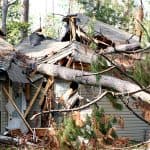
A strong storm hits Houston, bringing heavy rain and high winds. Once the weather clears, you walk through your home or business to check for damage. You notice a water stain on the ceiling, a few missing roof shingles, or moisture around a window. You take photos, contact your insurance company, and file a claim.
An insurance adjuster visits your property and prepares an estimate. You receive a payment offer and believe the damage has been fully addressed.
But a few weeks later, new problems appear. Paint begins peeling near a window. A musty smell develops in a bedroom. The floor near an outside door starts to warp.
Where did these problems come from? Were they caused by the storm? What happens if your insurance claim is almost closed?
Hidden water damage after a storm can be difficult to find during the first inspection. Water may collect behind walls, beneath floors, or inside ceilings. These areas can remain wet long after the visible surfaces appear dry.
For homeowners and commercial property owners in Houston, finding and documenting this damage before closing an insurance claim can help prevent unexpected repair costs.
Here is what to check, how to document possible damage, and what to review before agreeing to a final claim settlement.
Key Takeaways
- Hidden water damage may not appear right away. Stormwater can collect behind walls, beneath flooring, and inside ceilings. Some damage may not become visible until days or weeks after the storm.
- Check more than the areas with visible stains. Roofs, attics, insulation, drywall, flooring, windows, HVAC systems, and commercial storage areas may all be affected by water intrusion.
- Watch for signs of moisture that was missed. Peeling paint, musty odors, warped flooring, soft drywall, and growing water stains may point to problems that need further inspection.
- Keep clear records of all damage. Photos, videos, inspection reports, repair estimates, and a timeline of events can help support your insurance claim if more damage is found.
- Review your insurance estimate before closing the claim. Make sure the estimate addresses the documented damage. If new problems are found, ask your insurance company about the process for submitting more information.
- Commercial properties may face added costs. Hidden water damage can affect equipment, inventory, tenant spaces, and business operations. These losses may need separate records and may involve different insurance coverages.
- A public adjuster can help you review your claim. If damage was missed or the repair estimate raises questions, Santex Public Adjusters can help you review the available records and understand your next steps.
Why Storm Water Damage Can Stay Hidden
Water does not always enter a building through a large hole in the roof. During a storm, strong winds can push rain through small gaps around windows, roof vents, flashing, and damaged siding.
Once inside, water can travel far from where it entered.
For example, rain may enter through damaged roof flashing and move along wooden framing. It can soak into attic insulation before reaching the ceiling below. By the time a water stain appears, several areas may already be wet.
This makes storm damage difficult to find during a single inspection.
Water Can Stay Inside Building Materials
Many building materials absorb water. Drywall, wood, carpet padding, and insulation can hold moisture even when their surfaces feel dry.
Over time, trapped moisture may cause drywall to soften, wood to swell, and flooring to warp. Damp materials may also develop odors or support mold growth.
Not every wet material needs to be replaced. Some materials can be dried and repaired, while others may need to be removed if the damage is too severe.
Imagine a Houston homeowner who notices a small ceiling stain after a storm. The insurance estimate includes painting the ceiling and repairing the damaged roof area.
Two weeks later, the homeowner notices a musty smell. A contractor checks the attic and finds wet insulation above the stained ceiling.
The first inspection may have recorded the visible stain without identifying the wet insulation.
This example shows why a small sign of water damage may point to a larger problem.
Seven Areas to Check for Hidden Water Damage After a Storm
A careful inspection should cover more than areas with visible stains. Water may have traveled through parts of the building that are not easy to see.
You can look for warning signs in safe, accessible areas. Leave roof inspections, unsafe attics, electrical work, and the removal of building materials to qualified professionals.
-
Roof Decking, Attics, and Insulation
Your roof protects the building from rain. During a strong storm, wind can loosen shingles, damage flashing, or create openings around roof vents.
These problems may allow rainwater to enter the attic, even if the roof looks fine from the ground.
Inside the attic, water may soak into insulation or leave dark stains on wooden framing. You may also notice damp odors or water marks near roof openings.
Wet insulation can be difficult to spot because it may not drip onto the ceiling right away. Some types of insulation can hold moisture long after the storm has passed.
If you suspect attic damage, ask a qualified roofing or restoration professional to inspect the area. Do not climb onto a damaged roof or enter an attic with unsafe conditions.
-
Interior Walls and Drywall
Walls can hide water damage for days or weeks.
Rain entering through a roof or exterior wall may move down wooden framing and collect behind drywall. At first, the wall may look normal.
Later, paint may bubble or peel. The drywall may feel soft, or the baseboards may begin to swell.
These signs deserve attention because painting over a stain will not fix wet materials behind the wall.
A contractor may need to check moisture levels or inspect part of the wall to determine how far the water traveled.
-
Flooring and Subflooring
Water can move beneath flooring after entering through doors, windows, or damaged walls.
Hardwood floors may warp or develop raised edges. Laminate flooring may swell at the seams. Vinyl flooring may loosen, while carpet padding may remain wet even after the carpet feels dry.
For example, a homeowner may notice that a few floorboards near a patio door feel uneven after heavy rain.
At first, the problem seems minor. A week later, the boards begin to separate.
This may be a sign that water has reached the materials beneath the floor.
A moisture inspection can help determine which materials are affected and what repairs may be needed.
-
Windows, Doors, and Exterior Openings
Strong winds can push rain through damaged seals around windows and doors.
Water may collect inside the wall below a window or near a door frame. You might notice peeling paint, stained trim, or swelling around the opening.
Check these areas after a storm, especially if strong winds pushed rain against that side of the building.
Keep in mind that not every leak is caused by storm damage. Some leaks develop over time because of worn seals or poor maintenance.
Finding the source of the water helps explain what happened and what repairs may be needed.
-
Ceilings and Light Fixtures
A ceiling stain is often one of the first signs of a roof leak.
However, the stain may not show how much water entered the building.
Water can spread through insulation or ceiling materials before reaching the painted surface. A small stain may be connected to a much larger wet area above it.
Watch for sagging ceilings, growing stains, peeling paint, or damp ceiling tiles.
If water has reached a light fixture or electrical outlet, avoid using it until a qualified electrician confirms it is safe.
-
HVAC Systems and Ductwork
Heating and cooling systems may also be affected by stormwater.
Many Houston homes have air ducts in the attic. Commercial buildings may have ducts and equipment above suspended ceilings.
When water enters these areas, it can soak duct insulation or reach nearby equipment.
The problem may not become noticeable until the system is used or serviced.
A qualified HVAC technician can inspect the equipment and help determine if the moisture came from the storm, normal condensation, or another source.
-
Commercial Roofs and Storage Areas
Commercial buildings often have large roof areas and many spaces where water can remain hidden.
Flat roofs may allow water to move through layers of roofing materials before it becomes visible inside the building.
In warehouses, offices, and retail buildings, moisture may reach ceiling systems, walls, stored goods, or equipment.
For example, a warehouse manager may notice a few stained ceiling tiles after a storm. Later, workers discover damp boxes on shelves below the damaged roof area.
The property owner should document both the building damage and the condition of the stored goods.
For larger buildings, keeping records by room, floor, or tenant space can make the insurance claim easier to review.
Warning Signs That Water Damage Was Missed
Some storm damage becomes clear only after time has passed.
A wall that looked dry during the first inspection may later develop a stain. Flooring may begin to warp. A room may develop a musty smell that was not present before the storm.
These signs do not always prove that the storm caused the problem. However, they are good reasons to have the area inspected.
How Professionals Find Moisture Behind Surfaces
Restoration professionals may use moisture meters to check building materials for excess water.
They may also use thermal cameras to find unusual temperature patterns that could point to moisture. A thermal camera does not directly measure water, so other tests are often needed to confirm the findings.
Sometimes, a contractor must remove a small section of damaged material to see what is happening behind it.
Understanding what happens during an insurance damage assessment can help property owners prepare for an inspection and ask better questions about possible hidden damage.
What if Repairs Reveal More Damage?
Imagine that a contractor begins replacing damaged drywall after a storm. Once the drywall is removed, the contractor finds wet insulation and damaged wood behind it.
These materials were not visible during the first insurance inspection.
Before the area is repaired, the property owner should ask the contractor to photograph the damage and explain the findings.
The insurance company should also be notified about the new information as soon as possible.
This gives the insurer an opportunity to review the damage and determine if it is covered under the policy.
How to Document Hidden Water Damage for an Insurance Claim
Finding damage is only part of the process. You also need records showing what was found and when.
Good documentation can help explain why more repairs may be needed than those listed in the first insurance estimate.
Take Clear Photos and Videos
Start with photos of the entire room or damaged area. Then take close-up pictures of stains, warped flooring, damaged walls, and other visible problems.
If possible, photograph the suspected location where water entered the building.
Keep the original photos with their dates. If new damage appears later, take more pictures to show how the condition has changed.
If a contractor opens a wall or removes flooring, ask for photos of the damaged materials before they are discarded, when safe to do so.
Record When Problems Appeared
Keep a simple timeline of the storm and the damage.
Write down when the storm happened, when you first noticed water, and when the insurance company inspected the property.
Add the dates when new damage appeared, contractors visited, or repairs began.
This record can help explain why certain problems were not included in the first inspection.
Save Repair and Inspection Records
Keep copies of contractor estimates, moisture test results, drying reports, repair bills, and messages from the insurance company.
For business owners, records may also include damaged inventory, equipment repairs, and costs related to interrupted operations.
Do not delay stopping active leaks or preventing further damage just to collect evidence. Take reasonable steps to protect the property, follow your policy’s requirements, and document emergency repairs whenever possible.
What to Review Before Closing a Storm Damage Insurance Claim
Before accepting a final settlement, read the insurance estimate carefully.
An estimate usually lists the repairs the insurance company has included, along with their expected costs.
The amount of money offered matters, but the repair details matter just as much.
Does the Estimate Include All the Damage?
Suppose your insurance estimate includes repainting a ceiling after a roof leak.
Later, a contractor finds that the insulation above the ceiling is wet and damaged.
Check if the insulation was included in the original estimate. If it was not, ask how the new findings can be reviewed.
The same approach applies to damaged flooring, walls, roofing materials, and commercial equipment.
What if the Insurance Estimate Is Lower Than the Repair Cost?
Insurance and contractor estimates sometimes differ because they include different work, measurements, or repair methods.
A higher contractor estimate does not always mean the insurance company made a mistake.
However, you should understand why the amounts differ.
If you believe you have an underpaid insurance claim, compare the repair details and collect records that support any missing work.
Can You Report More Damage After Receiving Payment?
In some cases, property owners can submit new information and request a supplemental claim review after receiving an initial payment.
For example, a contractor may discover damaged subflooring while removing wet flooring.
The owner can document the findings and ask the insurer about submitting the new repair information.
Approval is not guaranteed. The insurance policy, cause of damage, claim status, and deadlines all matter.
Does an Insurance Payment Mean the Claim Is Closed?
Receiving a payment does not always mean the claim has been fully settled.
However, signing a final release or settlement agreement may limit your ability to request more payment later.
Before signing, read the documents and make sure you understand what you are agreeing to.
If important damage has not been reviewed, it may be wise to seek professional advice before accepting a final settlement.
Special Concerns for Commercial Property Owners
Hidden water damage can affect more than the building itself. For businesses, it may also damage inventory, equipment, and work areas.
A roof leak in a warehouse may reach stored products. Water entering an office may damage computers or ceiling systems. A retail store may need to close part of its sales floor during repairs.
These problems may involve different parts of a commercial insurance policy.
Keep Building and Business Property Records Separate
A commercial claim may include damage to the building and damage to items inside it.
For example, if stormwater enters a warehouse and wets stored products, the owner should record the roof damage and the damaged inventory.
Photos, inventory lists, purchase records, and repair estimates may help explain the loss.
Record Business Interruptions
Water damage may force a business to close an area, move equipment, or stop certain activities.
Some commercial insurance policies provide business interruption or extra expense coverage when policy conditions are met.
Business owners should keep records of affected operations and related costs. Coverage depends on the policy and the facts of the claim.
Coordinate Inspections Across the Property
Large buildings may have damage in several rooms, floors, or tenant spaces.
Property managers should organize inspection records by location and keep track of who owns the affected property.
This helps avoid confusion when several people, contractors, or insurance companies are involved.
When Should You Contact a Public Adjuster?
Dealing with an insurance claim can become more difficult when new damage appears after the first inspection.
You may have a contractor who recommends repairs that are missing from the estimate. You may be unsure if the insurance company has reviewed all the affected areas.
A licensed public adjuster can help policyholders review claim records, inspect reported damage, prepare supported estimates, and communicate with the insurance company.
Unlike an insurance company adjuster, a public adjuster works for the policyholder.
If you are unsure when to hire a public adjuster in Texas, think about the size of the loss, the amount of damage still in question, and how difficult the claim has become.
How Santex Public Adjusters Can Help
Santex Public Adjusters works with homeowners and commercial property owners in Houston and nearby Texas communities.
If hidden water damage has raised questions about your storm damage claim, Santex can help review the available records, examine the reported damage, and explain the next steps.
Santex represents policyholders, not insurance companies. Its work focuses on presenting a claim supported by the damage records and the terms of the insurance policy.
Conclusion: Check for Hidden Water Damage Before Closing Your Claim
A storm can damage more than the parts of a building you can see.
Water may enter through a small opening and spread behind walls, beneath floors, or into attic insulation. The damage may not become visible until days or weeks after the first insurance inspection.
Before closing your claim, check for warning signs, keep photos and repair records, and review the insurance estimate. If you find new damage, report it promptly and ask how it can be reviewed.
You should not assume that every moisture problem is storm-related or covered by insurance. The goal is to make sure the damage has been properly investigated and documented before you make a final decision.
Need Help With Hidden Storm Damage or Your Insurance Claim?
If you have found more water damage after a storm, have questions about your insurance estimate, or are concerned that damage was missed during the first inspection, Santex Public Adjusters can help you review your next steps.
Santex Public Adjusters represents policyholders, not insurance companies.
Contact Santex Public Adjusters or call 713-766-6645 to schedule your appointment with Santex Public Adjusters.
Frequently Asked Questions About Hidden Water Damage After a Storm
-
How long does it take for hidden water damage to appear after a storm?
Some water damage appears right away, while other signs may take days or weeks to develop. Water trapped inside walls, insulation, or flooring may cause stains, odors, swelling, or warping over time. A professional inspection can help find moisture that is not visible.
-
Where should I look for hidden water damage after a storm?
Start with areas near the roof, attic, ceilings, windows, doors, and exterior walls. Check for water stains, peeling paint, damp smells, and changes in flooring. Water can also collect beneath floors and inside wall cavities. Have a qualified professional inspect areas that are unsafe or difficult to reach.
-
What should I do if my insurance adjuster missed water damage?
Take photos of the newly discovered damage and write down when you noticed it. Keep any contractor reports or moisture test results. Contact your insurance company promptly and ask how to request another inspection or submit the new information.
-
Can I file a supplemental insurance claim for hidden water damage?
You may be able to request a supplemental claim review if more storm-related damage is found after the first inspection or payment. The insurance company will review the new information under your policy. Coverage is not guaranteed, and claim deadlines or settlement agreements may affect your options.
-
Does homeowners insurance cover hidden water damage caused by a storm?
It depends on the cause of the water damage and the terms of your policy. Water entering through a roof damaged by wind may be treated differently from flooding, long-term leaks, or poor maintenance. Review your policy and ask your insurer about the coverage that applies to your loss.
-
Should I close my storm damage claim if repairs have not started?
Before agreeing to a final settlement, review the insurance estimate and make sure all known damage has been considered. Some hidden problems are found only after repairs begin. Ask about the process for reporting new damage, and understand the effect of any final release before signing it.
-
Can hidden water damage affect a commercial property insurance claim?
Yes. Water may damage roofing materials, ceiling systems, equipment, inventory, or tenant spaces. It may also interrupt business operations. Commercial property owners should keep separate records of building damage, damaged business property, and related expenses. Coverage depends on the policy.
-
When should I contact a public adjuster about hidden storm damage?
Consider contacting a licensed public adjuster when new damage appears after an inspection, major repair items seem to be missing from the estimate, or you need help understanding the claim. A public adjuster represents the policyholder and can help review damage records and claim documents.
This article is a collaboration between Santex Public Adjusters and OpenAI’s ChatGPT. Created on Oct 26, 2026, it combines AI-generated draft material with Santex’s expert revision and oversight, ensuring accuracy and relevance while addressing any AI limitations.
Recommended Reading
-
Use of Moisture Measuring Devices for Evaluating Water Damage in Buildings
Source: Massachusetts Department of Public Health
This technical resource explains how moisture measurement devices help identify water damage that may not be visible. It provides guidance for building inspectors, property managers, and restoration professionals investigating water intrusion and evaluating drying needs.
Article URL: https://www.mass.gov/info-details/use-of-moisture-measuring-devices-for-evaluating-water-damage-in-buildings
-
Water Intrusion: An Analysis of Water Sources, Categories, and the Degradation Science of Building Materials
Source: Water (MDPI), peer-reviewed research article, 2024
This research examines water intrusion sources, water damage classifications, and how moisture affects building materials. It offers a scientific foundation for professionals evaluating concealed damage, repair requirements, and the extent of water-related property losses.
Article URL: https://www.mdpi.com/2073-4441/16/11/1576
-
Mold Cleanup in Your Home
Source: U.S. Environmental Protection Agency (EPA)
This resource addresses moisture control, mold cleanup, and the treatment of water-damaged building materials. It is relevant to restoration contractors and property professionals deciding when drying, cleaning, or material replacement may be necessary.
Article URL: https://www.epa.gov/mold/mold-cleanup-your-home